



We are committed to provide you with an excellent experience at Cinnamon Store & Get exclusive deals and early access to new products.
Discover Ceylon Cinnamon
Since 1000 BC Ceylon Cinnamon has been revered for its alluring fragrance, indulgent flavour & unmatched natural healing properties
Natural Healing Power of Ceylon Cinnamon
Unlocked only from Real Cinnamon from Sri Lanka
Ceylon Cinnamon has moved silently through history, present at the rise and fall of empires, the intimacies of romance, and the moments of discovery that forever reshaped the world.

King Solomon
King Solomon sailed from the Gulf of Aqaba to Tarshish now known as the city of Galle in Sri Lanka, where Ceylon Cinnamon and other natural jewels were discovered, enriching trade, legend, and the world’s renowned spice routes.

Emperor Nero
Nero, broken by the loss of his beloved wife, offered his deepest grief to the gods by burning Ceylon Cinnamon surrendering the empire’s wealth as the highest honour to her life, love, and the heart ache.

Marco Polo
Marco Polo visited Sri Lanka in the 13th century, describing it as an island of immense wealth, famed for fine cinnamon, precious gems, and natural abundance, captivating Europe’s imagination and trade ambitions.

Paul Hermann
Paul Hermann, a 17th-century botanist in Dutch Ceylon, documented cinnamon’s botany, cultivation and medicinal use, distinguishing true Ceylon Cinnamon, shaping European science, and establishing Sri Lanka as its authentic global source in botanical history..
The Real Cinnamon Experience

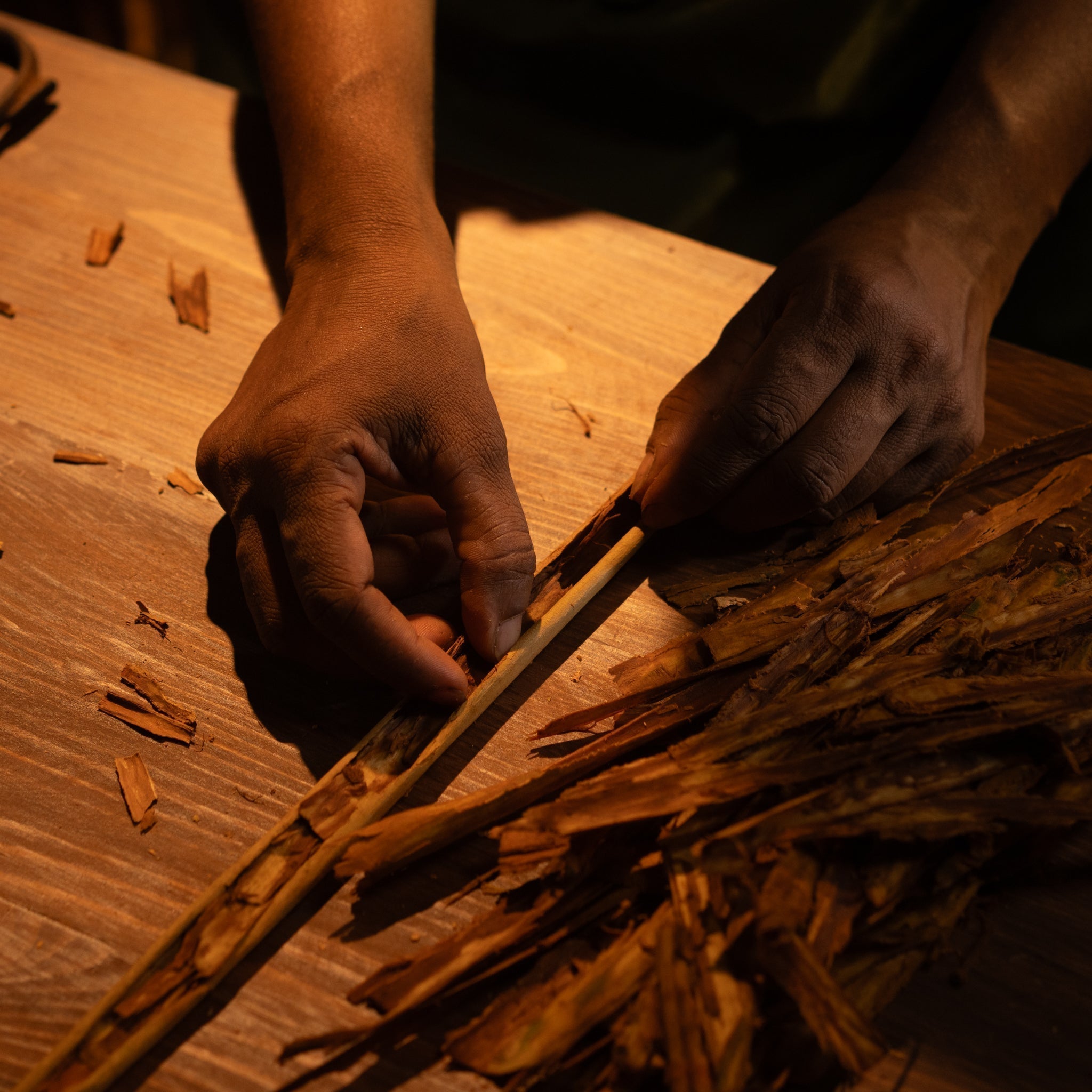
On Dandeniya Estate, escape into paradise surrounded by dense, biodiverse jungles. Learn the art of handcrafting Ceylon Cinnamon and immerse yourself in the ancient healing traditions of Ayurveda, reconnect, revitalise with nature, heritage, and wellbeing.
Book your Stay
Traditional wellness
An Ayurvedic Connection
Through the annals of history, written in the sacred scriptures, Ceylon Cinnamon was an ingredient of anointing oil, acclaimed not only for its exquisite and rare flavour but also for its inherent virtues in holistic natural healing.
Nestled at the core of Sri Lanka’s ancient natural healing practice of Ayurveda, is Ceylon Cinnamon
Ancient Greece ~ 2000 BC - 3000 BC
Beyond their symbolic value
In ancient Egypt, cinnamon was a prestigious commodity valued more highly than gold, serving as a critical element in embalming, medicine, and religious worship. Its natural antifungal and antibacterial properties made it a practical choice for preserving bodies during mummification, while its potent fragrance helped mask the odors of decay and symbolize divinity. Because Arab traders kept its geographic origins a secret for centuries, the spice's rarity and high cost reinforced its sacred status, leading the Egyptians to use it in temple incense, perfumes, and medicinal remedies to ensure spiritual and physical protection.


Ancient Greece ~ 2000 BC - 3000 BC
Documented ancient Greek uses
While ancient Greek physicians like Dioscorides and Galen documented its use primarily for digestive and respiratory health (coughs, colds, and stomach issues), modern scientific research in 2026 has validated several cardiovascular and metabolic benefits
Our mission
Let’s express who are you, what is your mission, what is unique selling point of your business to increase reliability as well as impress customer
Ancient Greece ~ 2000 BC - 3000 BC
The ancient healer
In ancient India, cinnamon—known as Twak or Dalchini—was revered as a warming "sattvic" spice essential for balancing the Vata and Kapha doshas, which are often associated with mental fog and sluggishness. Practitioners used it in traditional tonics and oils to invigorate the nervous system, sharpen concentration, and combat memory loss, often combining it with other brain-toning (Medhya) herbs. This historical use for mental clarity is increasingly supported by modern research, which suggests that cinnamon’s bioactive compounds, particularly cinnamaldehyde, may enhance cognitive function and protect neurons from oxidative stress and inflammation. For therapeutic use, Ayurvedic experts recommend Ceylon cinnamon (Cinnamomum verum) over the more common Cassia variety due to its gentler nature and lower levels of coumarin
